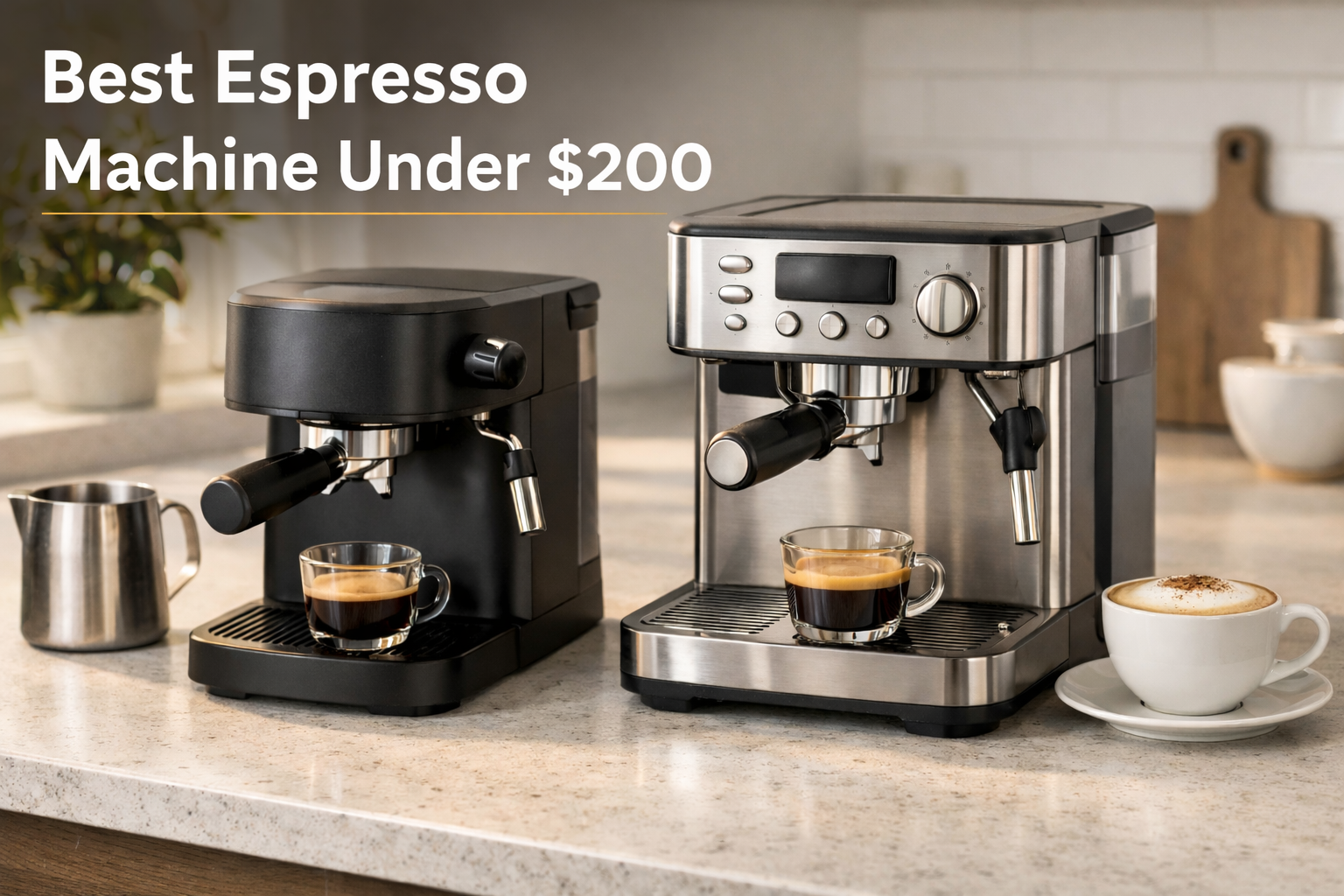
Best Espresso Machine Under $200 (2026 Honest Buyer’s Guide)
If you’re searching for the best espresso machine under $200, you’re likely overwhelmed. Amazon has dozens of options. Some claim “15-bar Italian pump.” Others promise “barista-level crema.” Prices range from $79 to $199. They all look shiny.
Here’s where most buyers get it wrong:
- They assume higher bar pressure = better espresso.
- They ignore build quality.
- They don’t factor in the grinder.
- They buy based on looks instead of workflow.
And then they blame the machine.
The reality? There are solid options under $200 — but only if you know what compromises you’re accepting.
In this guide, I’ll break down the best espresso machine under $200 options that are actually worth your money — no marketing fluff, no hype. Just practical pros, real drawbacks, and who each machine actually makes sense for.
By the end, you’ll know exactly which one fits your kitchen, your skill level, and your caffeine habits.
Let’s cut through the noise.
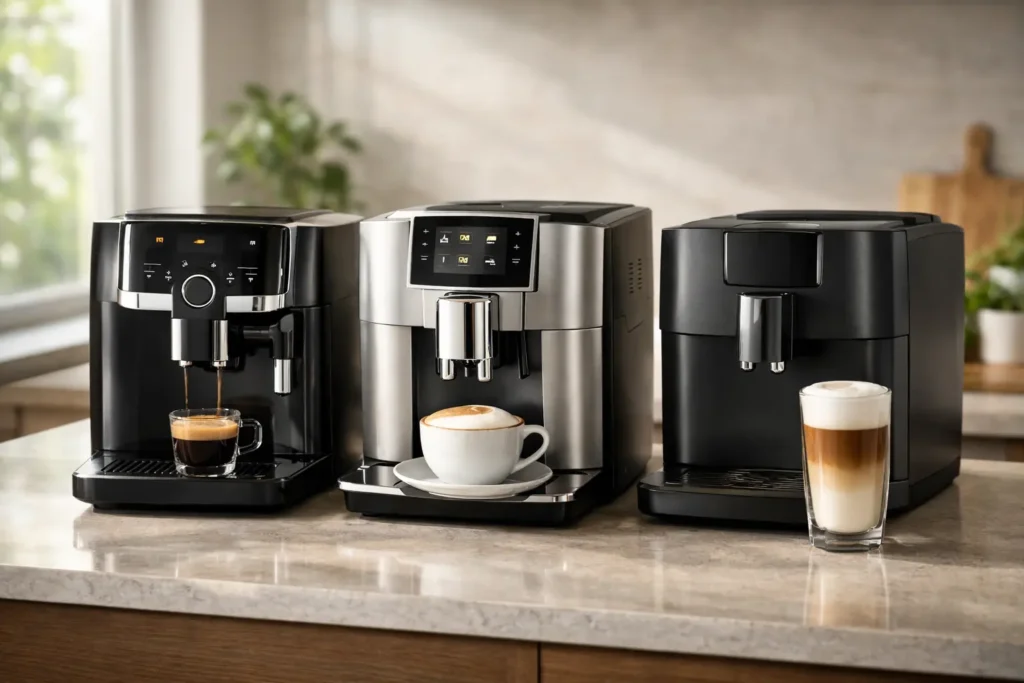
Quick Picks: Best Espresso Machines Under $200 (Fast Answer)
These are the most honest, real-world recommendations for the best espresso machine under $200 — ranked by use case, not just pump pressure or marketing hype.
Best Well-Rounded Choice
De’Longhi Stilosa Manual Espresso Machine, EC260BK
Balanced mix of reliable espresso extraction, real manual steam wand, and a tamper included — rare in this price range. Great first “serious” machine.
Check Price
Best for Daily Use & Power
atitix Espresso Machine with Milk Frother, 20 Bar Pressure Espresso Maker
Strong 20-bar pump + large 44 oz tank and sturdy stainless look make this ideal if you’re making espresso (and milk drinks) every day.
See Reviews
Best Feature-Packed Compact Option
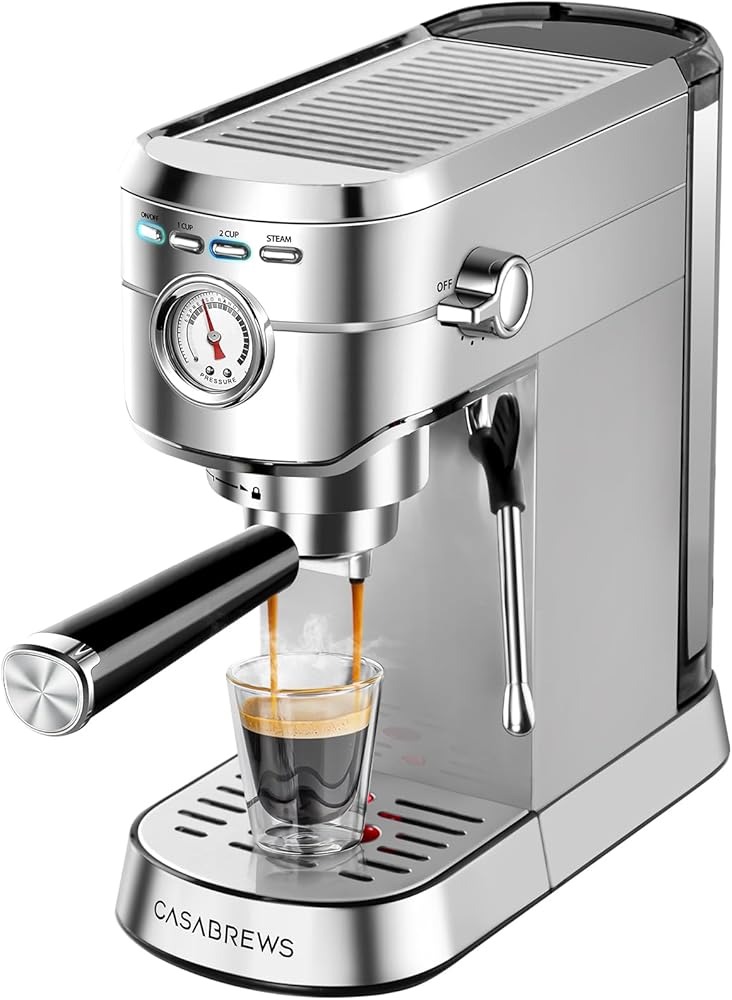
CASABREWS CM5418 20 Bar Espresso Machine
20-bar pressure, removable tank, pressure gauge, steam wand, compact footprint — great balance of features for mid-range buyers.
Check Price
Best Budget Pick
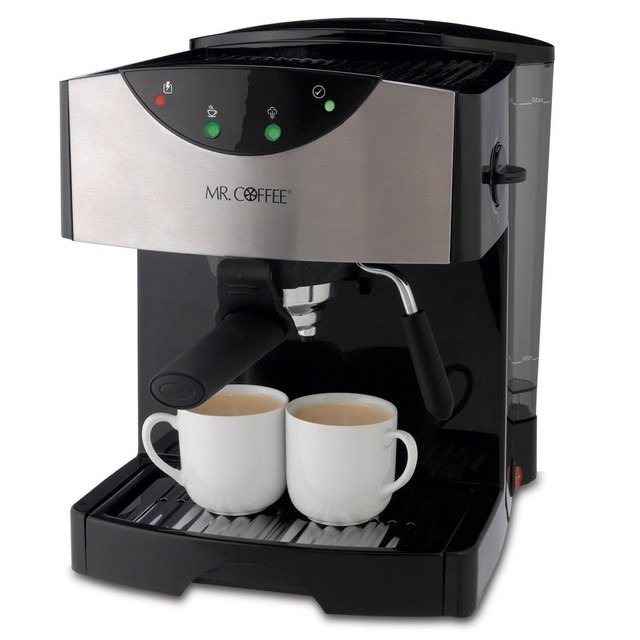
Mr. Coffee ECMP50
Simple interface, cheap price, decent espresso for occasional shots and casual drinkers. Not as powerful, but gets the job done.
See Reviews
Best for Beginners
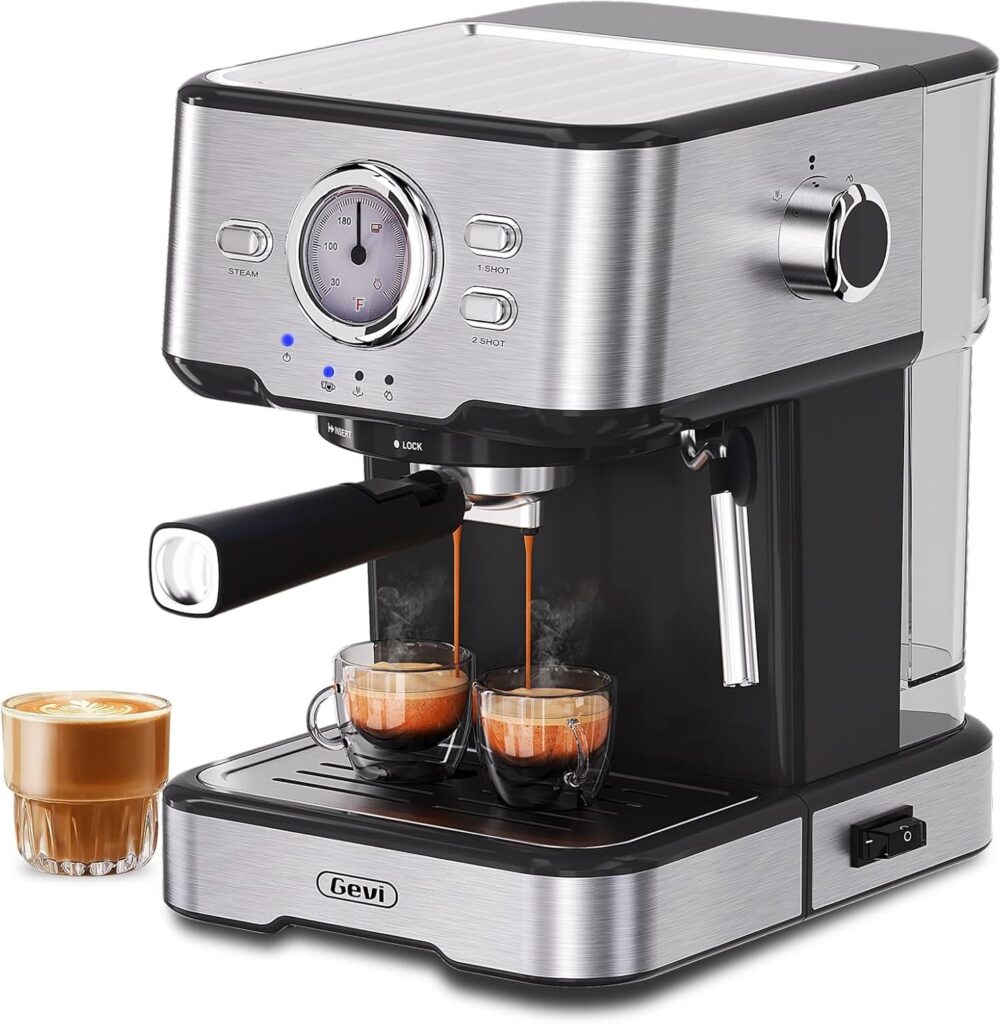
Gevi 15 Bar Espresso Machine
Very straightforward controls and forgiving extraction, making this one a low-stress first espresso machine if you’re newer to brewing.
Check Price
Best Espresso Machines Under $200 Compared Side-by-Side
| Product | Capacity | Key Strength | Best For | Check Pricing |
| De’Longhi Stilosa (EC260BK) | 33.8 oz tank | Reliable extraction + real manual steam wand | Most home users wanting control | Check Price |
| atatix 20-Bar Stainless (44 oz model) | 44 oz tank | Larger tank + stronger daily steam | Frequent espresso + milk drinks | Check Price |
| CASABREWS CM5418 | 34 oz tank | 20-bar pump + pressure gauge | Feature-focused compact kitchens | Check Price |
| Mr. Coffee ECMP50 | 40 oz tank | Lowest cost entry point | Budget buyers | Check Price |
| Gevi 15-Bar Compact | ~40 oz tank | Beginner-friendly controls | First-time espresso makers | Check Price |
What Actually Matters When Buying the Best Espresso Machine Under $200
Here’s the part most reviews gloss over.
1. Pump Pressure vs Reality
“15-bar” and “20-bar” sound impressive.
But most machines under $200 use pressurized portafilters. That means:
- Easier crema
- More forgiving grind
- Less authentic extraction
It’s not bad — just different from true commercial espresso.
2. Temperature Stability
Budget machines struggle here.
If temperature swings wildly, your espresso tastes sour or bitter.
Look for:
- Machines that preheat quickly
- Metal (not plastic-heavy) internals
- Stable brewing cycles
This is why the De’Longhi often wins.
3. Steam Wand Quality
Cheap machines often include:
- Weak steam pressure
- Panarello wands (easier, less precise)
If you love lattes and cappuccinos, steam performance matters more than pump pressure.
4. Durability & Materials
Under $200 means compromises:
- Plastic housings
- Lightweight portafilters
- Smaller boilers
If you make espresso daily, choose the sturdier option — not the cheapest.
5. Grinder Reality (Hidden Cost)
Here’s what most reviews don’t tell you:
The best espresso machine under $200 won’t shine without a decent grinder.
Pre-ground coffee works — but limits quality.
If espresso matters to you long-term, budget for a grinder later.
6. Maintenance & Cleaning
Look for:
- Removable drip trays
- Accessible water tanks
- Simple descaling process
Cheap machines fail when neglected.
What Most Reviews Don’t Tell You
- These machines are not café replacements.
- Crema can be “artificial” due to pressurized baskets.
- Longevity depends heavily on maintenance.
- Milk frothing is often the hardest skill to master.
Now let’s break each machine down honestly.
Detailed Reviews of the Best Espresso Machines Under $200
1. De’Longhi Stilosa Manual Espresso Machine (EC260BK)
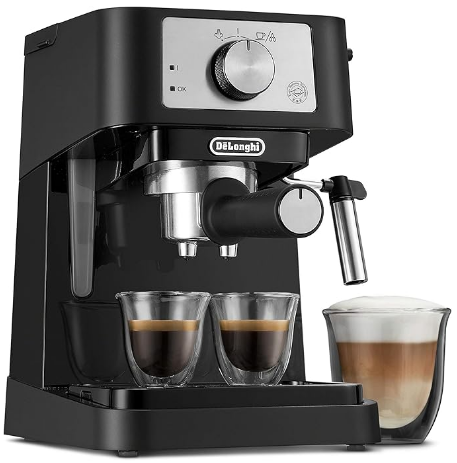
A compact 15-bar manual espresso machine that delivers real shot control and a proper steam wand under $200.
Best suited for buyers who want an authentic, hands-on espresso experience without going fully automatic.
Who It’s Realistically For
This machine makes sense for:
- Home users who want hands-on control
- People willing to learn basic steaming technique
- Buyers who value brand reliability
- Anyone wanting to move beyond pods and capsules
If you want to understand how espresso works, this is a good entry point.
What People Like About It
- Consistent 15-bar pressure for solid extraction
- Manual steam wand that can create real milk texture
- Compact size that fits small kitchens
- Brand reputation and accessible replacement parts
Once dialed in with proper grind and tamp, it produces noticeably better espresso than entry-level pod machines.
Where It Falls Short
- Steam wand requires practice to master
- Lightweight portafilter compared to higher-end machines
- Temperature stability isn’t commercial-grade
- Performance depends heavily on grind quality
This is not a one-button espresso solution.
Who Should Avoid It
- Anyone wanting fully automatic drinks
- Users unwilling to learn steaming technique
- People expecting café-level consistency every shot
Bottom Line Verdict
The Stilosa is one of the safest “real espresso” choices under $200. It rewards learning and technique, and it delivers a more authentic experience than most beginner machines. For most buyers who want control and long-term value, it’s a strong pick.
2. atitix Espresso Machine with Milk Frother, 20 Bar Pressure (44 oz Model)
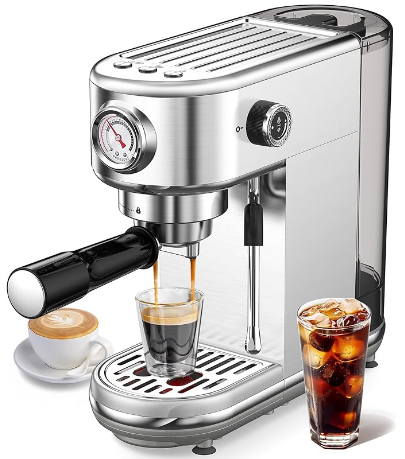
A 20-bar stainless steel espresso machine with a large 44 oz water tank built for daily use and stronger milk drinks.
Designed for convenience, bold extraction, and fewer refills in busy households.
Who It’s Realistically For
Best suited for:
- Daily espresso drinkers
- Households making multiple drinks per day
- Latte and cappuccino lovers
- Buyers who want stronger steam without mastering manual technique
It’s built for convenience and routine use.
What People Like About It
- Larger 44 oz water tank means fewer refills
- Stronger pump pressure for bold shots
- Stainless steel housing gives it a sturdier feel
- Steam system is easier for beginners to manage
For people making milk drinks daily, the extra capacity matters.
Where It Falls Short
- Brand track record may be shorter than legacy names
- Milk texture control may be less refined than manual steam wands
- Fewer advanced temperature or shot customization options
It prioritizes convenience over fine-tuned precision.
Who Should Avoid It
- Users focused on perfect latte art microfoam
- Espresso purists wanting deep manual control
- Buyers who prefer established long-term brand history
Bottom Line Verdict
This 20-bar model is one of the better “power + convenience” options under $200. It offers larger capacity, strong extraction, and easier daily use. If you want straightforward espresso and milk drinks without much experimentation, it’s a practical choice.
3. Mr. Coffee ECMP50
Overview
Affordable. Widely available. Simple interface.
This is the entry-level machine many people start with.
What People Like
✔ Very budget-friendly
✔ Easy to operate
✔ Decent beginner espresso
Where It Falls Short
✖ Lighter build quality
✖ Steam power inconsistent
✖ Less durable long-term
Who It’s Best For
- Casual drinkers
- Budget shoppers
- People unsure if they’ll stick with espresso
Bottom Line Verdict
Good starter. Not built for heavy daily use.
See the latest reviews on Amazon
4. Gevi 15 Bar Espresso Machine
Overview
Modern look. Beginner-friendly layout. Very forgiving extraction.
What People Like
✔ Fast heat-up
✔ Easy controls
✔ Compact size
Where It Falls Short
✖ Lighter materials
✖ Less proven long-term reliability
Who It’s Best For
- Apartment kitchens
- First-time buyers
- Users prioritizing simplicity
Bottom Line Verdict
Great starter option if ease matters more than durability.
5. CASABREWS 20 Bar Espresso Machine
Overview
Feels sturdier than most sub-$200 machines. Larger tank. Good steam pressure.
What People Like
✔ Durable feel
✔ Larger capacity
✔ Good steam performance
Where It Falls Short
✖ Slightly more expensive
✖ Brand longevity less established
Who It’s Best For
- Daily espresso drinkers
- Latte lovers
- Users wanting fewer upgrades
Bottom Line Verdict
Best for frequent use under $200.
Check the latest reviews on Amazon
Head-to-Head Comparison
De’Longhi Stilosa vs 20-Bar Stainless (44 oz)
Ease of Use:
20-Bar Stainless is easier out of the box. Stilosa requires more technique.
Durability:
20-Bar feels heavier. De’Longhi has the longer track record.
Performance Consistency:
De’Longhi is slightly more stable once dialed in.
Steam Power:
20-Bar Stainless is stronger and easier for daily milk drinks.
Long-Term Reliability:
De’Longhi is the safer historical bet.
If you value proven brand reliability → De’Longhi.
If you want convenience + bigger tank → 20-Bar Stainless.
De’Longhi Stilosa vs CASABREWS
Ease of Use:
CASABREWS is more forgiving. Stilosa requires more technique.
Durability:
CASABREWS feels sturdy. De’Longhi has stronger long-term brand trust.
Performance Consistency:
De’Longhi slightly more predictable.
Steam Power:
CASABREWS stronger for everyday lattes.
Long-Term Reliability:
De’Longhi safer historically.
If you value control and reliability → De’Longhi.
If you want features + strong steam → CASABREWS.
CASABREWS vs 20-Bar Stainless
Ease of Use:
20-Bar Stainless slightly simpler.
Durability:
Both feel solid; 20-Bar has larger tank advantage.
Performance Consistency:
CASABREWS slightly more balanced overall.
Steam Power:
Both strong; slight edge to 20-Bar.
Daily Practicality:
20-Bar wins due to 44 oz tank.
If you make multiple drinks daily → 20-Bar Stainless.
If you want balanced compact features → CASABREWS.
Gevi vs Mr. Coffee
Ease of Use:
Gevi feels more beginner-friendly.
Durability:
Similar budget build quality.
Performance:
Gevi slightly more consistent.
Steam Power:
Both basic.
If you want simplest learning curve → Gevi.
If you want the absolute lowest price → Mr. Coffee.
Decision Filter: Which One Should YOU Buy?
If you’re:
A beginner → Buy Gevi
On a tight budget → Buy Mr. Coffee
Want long-term durability → Buy De’Longhi Stilosa
Make lattes daily → Buy 20-Bar Stainless
Want feature balance in a compact build → Buy CASABREWS
Most people?
Go De’Longhi Stilosa if you want reliability.
Go 20-Bar Stainless if you value convenience and daily volume.
Don’t overthink it.
Frequently Asked Questions About Espresso Machines Under $200
What is the best espresso machine under $200 overall?
For most buyers, the De’Longhi ECP3420 offers the best balance of reliability, performance, and durability under $200.
It’s not café-grade, but it consistently produces solid espresso shots with proper technique.
Can you make real espresso under $200?
Yes — but with limitations.
The best espresso machine under $200 typically uses pressurized baskets. You can get strong, crema-rich shots, but they won’t fully match commercial machines.
How long do budget espresso machines last?
With proper maintenance:
- 2–5 years average
- Longer with regular descaling
- Shorter if used heavily without cleaning
Build quality matters.
Do I need a grinder?
Technically no.
But if you want noticeably better results from the best espresso machine under $200, a burr grinder helps significantly.
Are 20-bar machines better than 15-bar?
Not necessarily.
Once pressure exceeds 9 bars during extraction, extra pump rating doesn’t dramatically improve taste.
Marketing numbers can be misleading.
Is it worth buying an espresso machine for under $200?
If you drink espresso regularly, yes.
Even a $150 machine can pay for itself within months compared to daily café visits.
Why does my espresso taste sour or bitter?
Common causes:
- Incorrect grind size
- Temperature instability
- Over- or under-extraction
- Old coffee beans
Technique matters as much as the machine.
Final Thoughts
Finding the best espresso machine under $200 isn’t about chasing the highest bar pressure or the flashiest design.
It’s about:
- Reliable performance
- Manageable learning curve
- Realistic expectations
If you want the safest choice: go with the De’Longhi.
If you’re experimenting: start cheaper.
If you drink lattes daily: invest in stronger steam.
Pick one. Learn it. Maintain it.
And enjoy espresso at home without paying café prices.