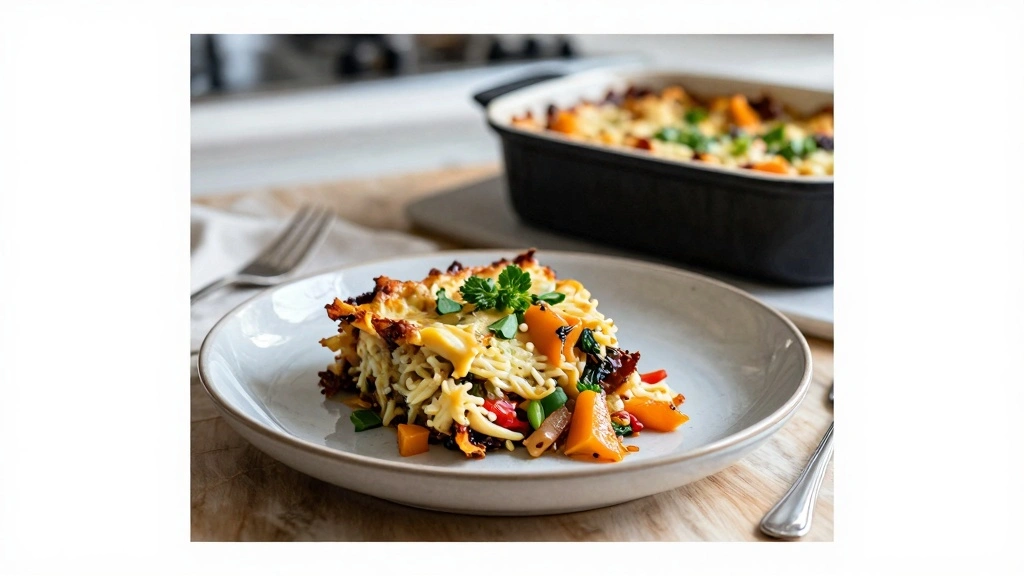
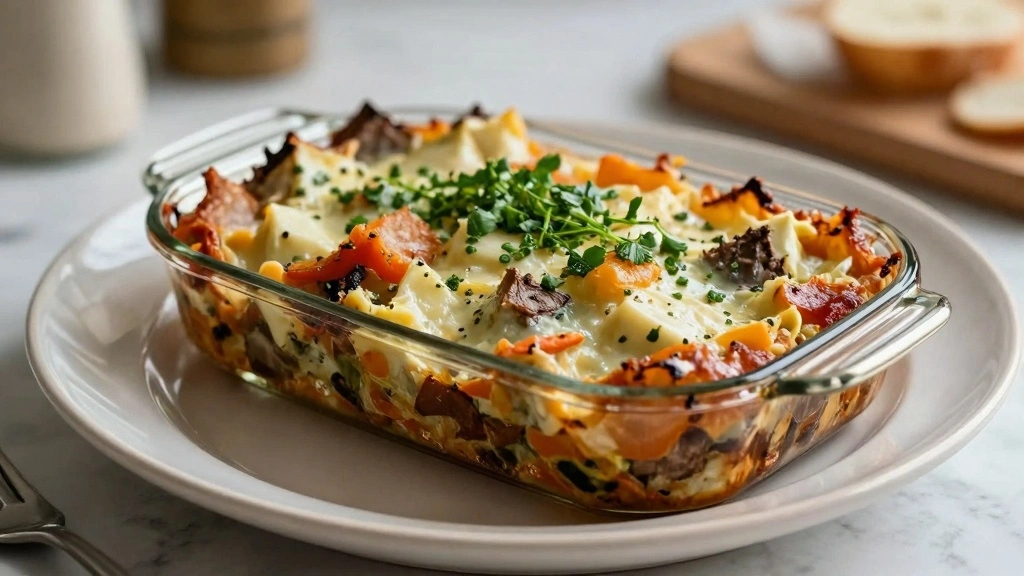
Easy Dinner Casserole for Two: Quick & Delicious Weeknight Meal
Imagine coming home after a long day and creating a meal that’s both satisfying and easy to prepare.
This Easy Dinner Casserole for Two is a quick solution to your weeknight meal dilemmas.
With a harmonious blend of savory flavors and creamy textures, it promises comfort in every bite.
Its simplicity means you can easily whip it up without breaking a sweat.
Perfect for a cozy dinner on a chilly evening, this casserole will become a staple in your kitchen.
Get ready to enjoy a meal that’s both delicious and effortless to make.
The History and Cultural Significance
• Dinner Casserole traces its origins to the Midwest United States during the 1950s, where it was originally created by home cooks seeking quick and filling meals.
• The dish evolved over decades as convenience foods like canned soups and frozen vegetables were incorporated, eventually becoming the beloved version we know today.
• In American culture, this dish traditionally appears at family gatherings and potluck dinners, symbolizing comfort and togetherness.
• While many variations exist across different regions, the authentic version maintains a creamy base with a crunchy topping that sets it apart from imitations.
Recipe Overview
Nutritional Information (per serving)
Essential Equipment Guide
Casserole Dish: A small 8×8-inch baking dish is essential for even cooking and the perfect portion size for two. Alternatives like ceramic or glass dishes work well, but ensure it’s oven-safe.
Mixing Bowl: A medium-sized mixing bowl helps in combining ingredients efficiently. Consider bowls with a non-slip base for ease of use.
Whisk: A whisk is crucial for blending the sauce smoothly without lumps. A small, silicone-coated whisk is ideal to prevent scratching bowls and dishes.
Ingredients
For the Base
|
|
| Amount | Ingredient | Notes |
|---|---|---|
| 1 cup | cooked chicken | shredded, adds protein |
| 1 cup | cooked rice | provides hearty texture |
For the Sauce
| Amount | Ingredient | Notes |
|---|---|---|
| 1 cup | cream of mushroom soup | adds creaminess |
| 0.5 cup | milk | helps blend the sauce |
Vegetables
| Amount | Ingredient | Notes |
|---|---|---|
| 1 cup | broccoli florets | adds freshness and color |
| 0.5 cup | frozen peas | adds sweetness and texture |
Seasonings
| Amount | Ingredient | Notes |
|---|---|---|
| 1 teaspoon | salt | enhances overall flavor |
| 0.5 teaspoon | black pepper | adds mild heat |
Topping
| Amount | Ingredient | Notes |
|---|---|---|
| 0.5 cup | cheddar cheese | grated, for savory topping |
| 0.25 cup | breadcrumbs | adds crunchy texture |
Preparation Methods
Sautéing Vegetables: Briefly cook vegetables in a hot pan with minimal oil to enhance their flavors and maintain texture. This technique prevents sogginess and adds a depth of flavor.
Layering: Carefully arrange ingredients in the baking dish in specific layers to ensure even cooking and flavor distribution. Mastery of this technique results in a well-combined casserole.
Baking: Cook the casserole at a consistent temperature to achieve a golden crust and thoroughly heated interior. Precise control of oven temperature is key for the perfect finish.
Step 1: Prepare Ingredients
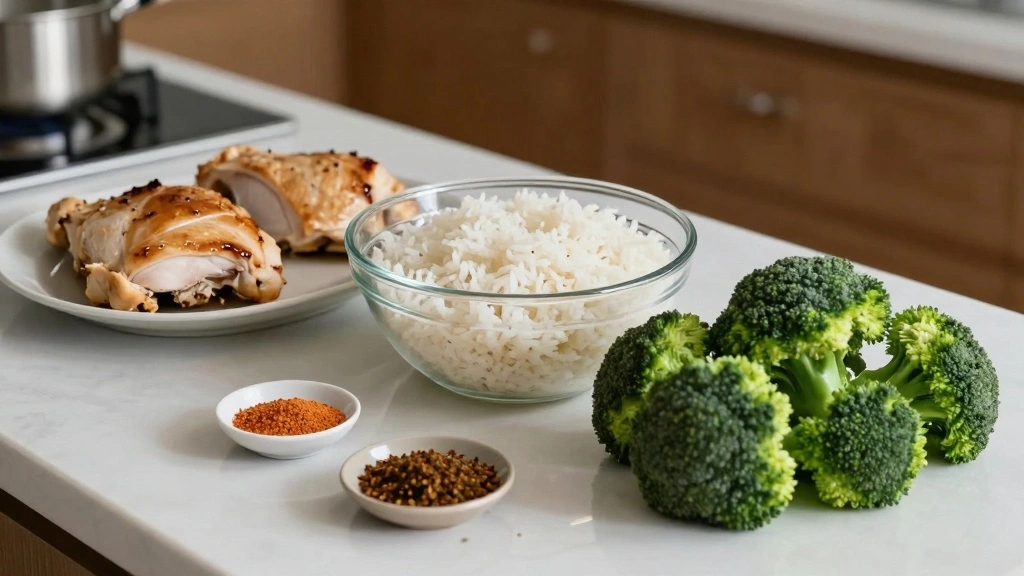
Gather all ingredients and equipment needed for the recipe.
Ensure the chicken is cooked and shredded, and the rice is prepared.
Measure out all ingredients to make the cooking process seamless.
Chop the broccoli into bite-sized florets.
Step 2: Preheat Oven
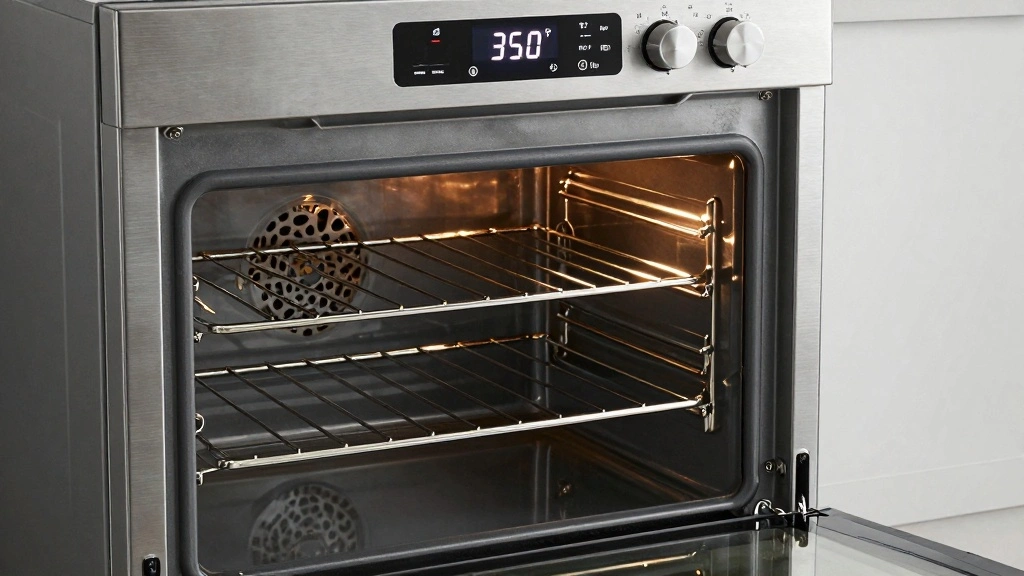
Set your oven to 350°F (175°C) to preheat.
This ensures the oven reaches the correct temperature for baking.
A preheated oven is crucial for even cooking and a golden top.
Allow at least 10 minutes for the oven to fully heat up.
Step 3: Sauté Vegetables
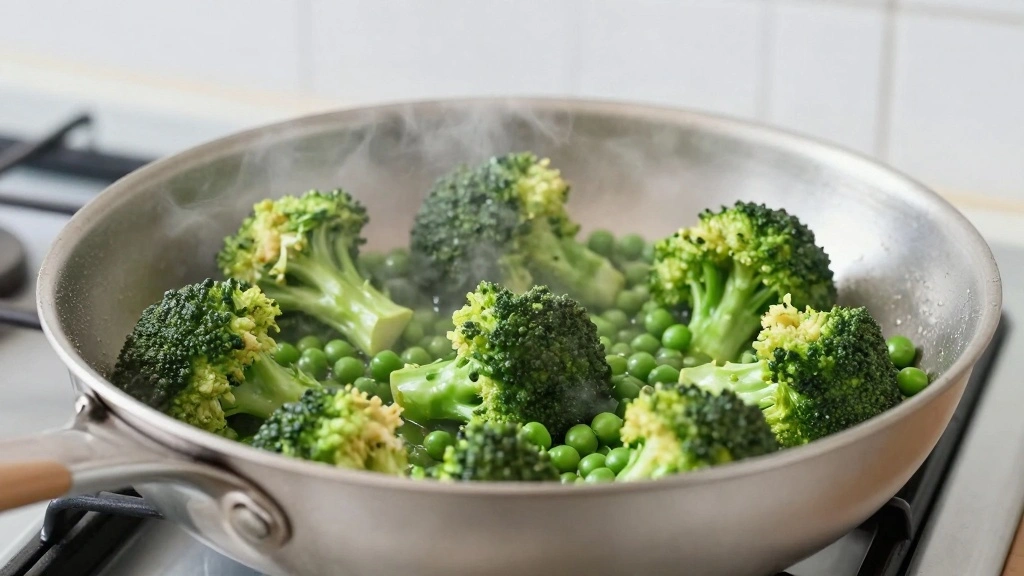
Heat a small amount of olive oil in a pan over medium heat.
Add broccoli and peas, stirring occasionally until tender-crisp.
This step enhances the vegetables' flavors and prevents a soggy texture.
Remove from heat and set aside once they are vibrant and slightly softened.
Step 4: Mix Sauce
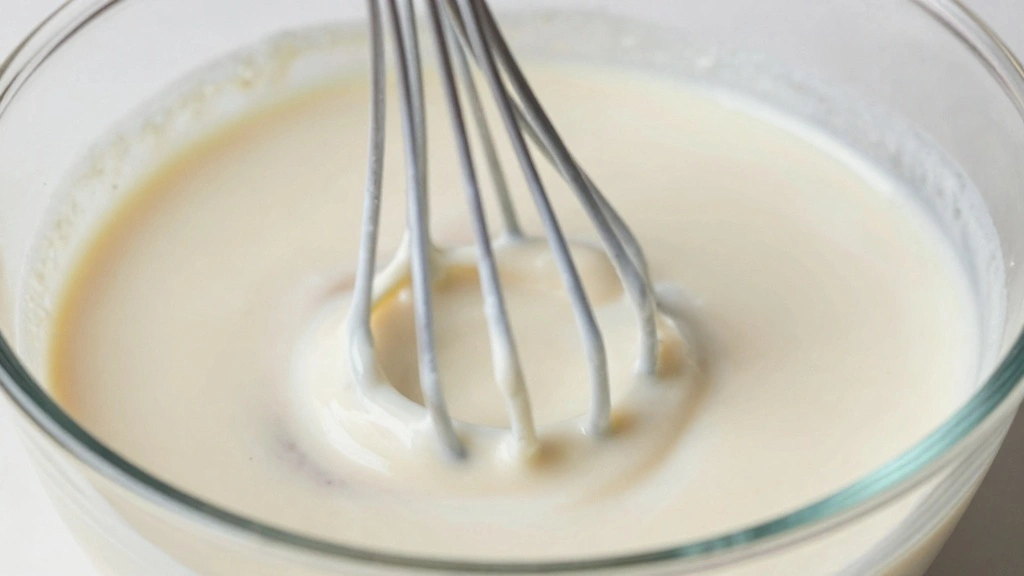
In a mixing bowl, combine cream of mushroom soup and milk.
Use a whisk to blend the mixture until smooth and free of lumps.
This forms the creamy base of the casserole.
Ensure the consistency is even for proper coating of ingredients.
Step 5: Assemble Casserole
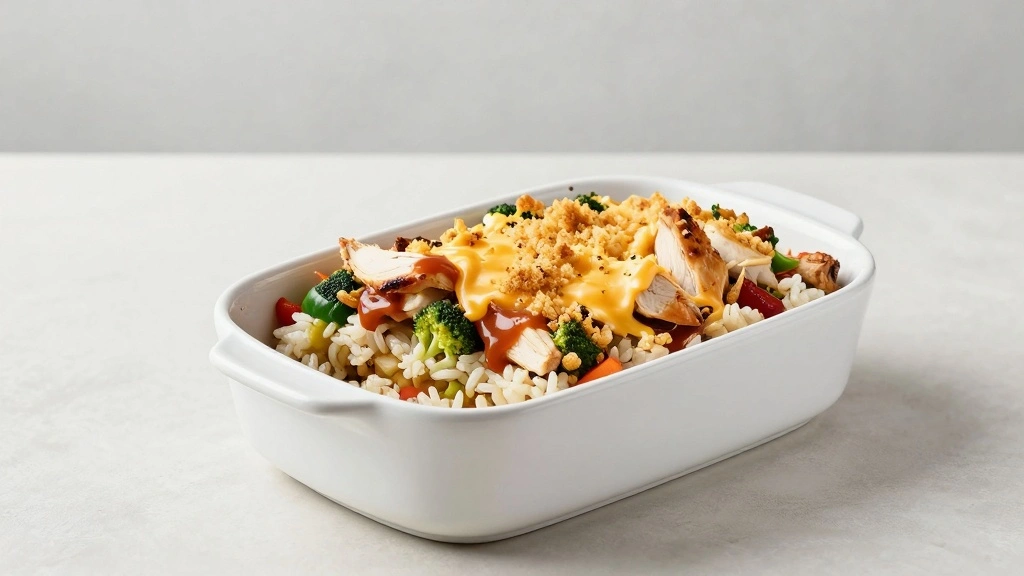
In a greased 8x8-inch casserole dish, layer cooked rice evenly at the bottom.
Top with shredded chicken and sautéed vegetables.
Pour the prepared sauce over the layered ingredients, spreading evenly.
Sprinkle cheddar cheese and breadcrumbs on top for a crunchy finish.
Step 6: Bake
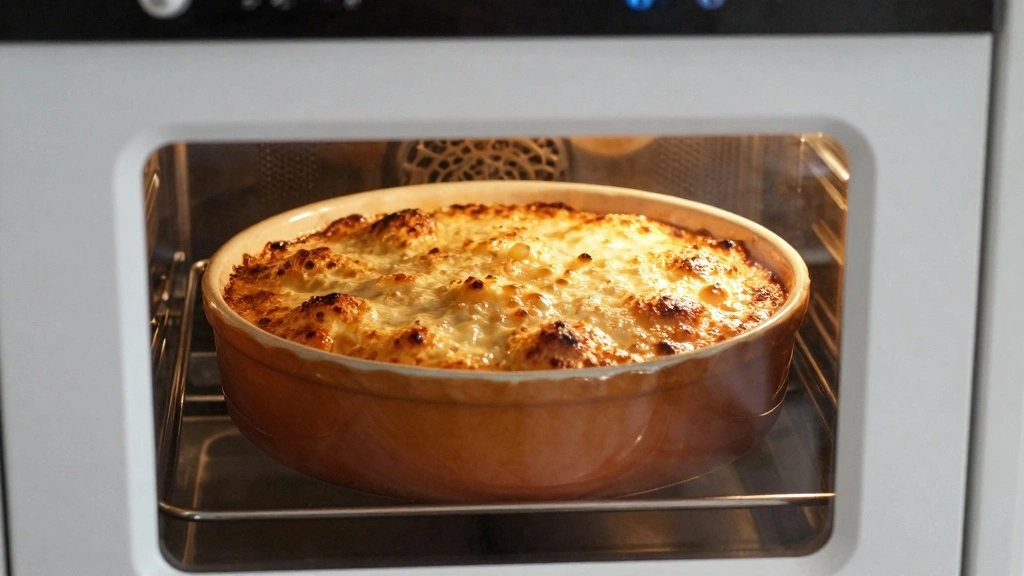
Place the assembled casserole in the preheated oven.
Bake for 25-30 minutes until the cheese is melted and bubbly.
The top should be golden brown, indicating it's ready.
Remove carefully using oven mitts and let it cool slightly before serving.
Step 7: Serve
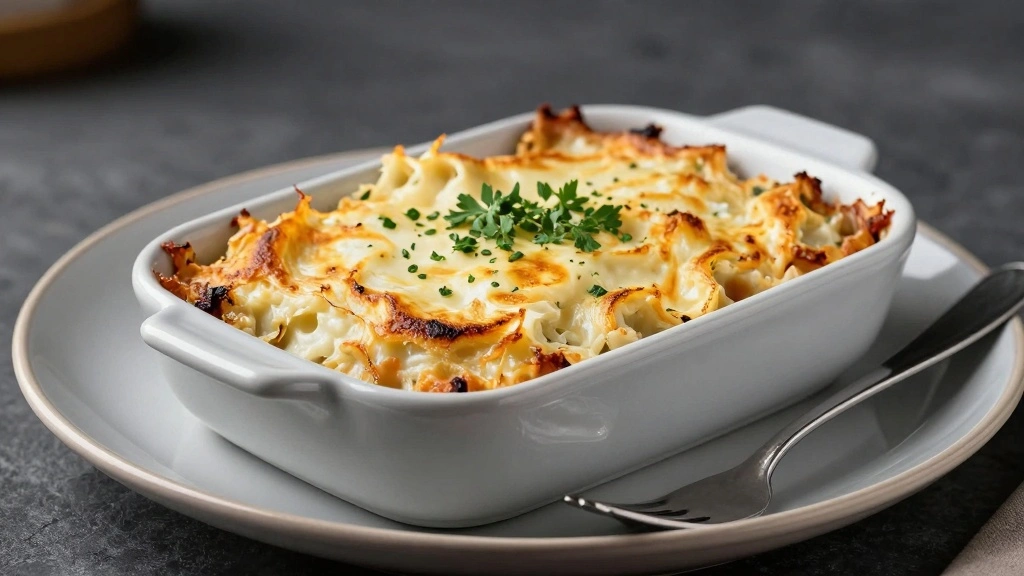
Allow the casserole to rest for 5 minutes after baking.
This helps the flavors meld and makes serving easier.
Cut into portions for two and plate with a spatula.
Garnish with fresh herbs if desired for added color and flavor.
Step 8: Clean Up
While the casserole cools, begin tidying up the kitchen.
Wash any used pans, bowls, and utensils.
Wipe down countertops and store leftover ingredients.
This ensures a clean workspace for your next culinary adventure.
Critical Timing and Temperature Guide
Preheating Oven: Preheat at 350°F for at least 10 minutes. Ensure oven is fully heated to avoid uneven cooking. Avoid opening the door unnecessarily which can drop the temperature.
Baking: Bake for 25-30 minutes at 350°F until the top is golden brown and bubbly. Overbaking can result in a dry casserole.
Resting: Allow to rest for 5 minutes after removing from oven. This allows the sauce to thicken slightly and flavors to meld. Cutting too early can cause it to fall apart.
Pro Tips for Dinner Casserole
• Ingredient Selection: Choose high-quality cheddar cheese for the topping as it significantly impacts the casserole's flavor.
• Preparation Secret: Lightly sauté the vegetables to keep them crisp and avoid a mushy texture.
• Temperature Management: Ensure all ingredients are at room temperature before assembling to reduce baking time.
• Texture Enhancement: Use fresh breadcrumbs instead of store-bought for a superior crunchy topping.
• Flavor Layering: Season each layer lightly to build a complex, well-rounded flavor profile.
• Make-Ahead Strategies: Assemble the casserole a day ahead and refrigerate. Bake just before serving to maintain freshness.
• Restaurant-Quality Finishing Touches: Add a sprinkle of fresh herbs like parsley or chives right before serving.
• Equipment Optimization: Use a glass baking dish for a clear view of browning and bubbling, ensuring perfect doneness.
Troubleshooting Common Issues
• Dry Casserole: This can be caused by overbaking or not enough sauce. Ensure proper sauce coverage and baking time.
• Soggy Texture: Avoid overcooking vegetables and rice. Sauté vegetables briefly and use cooked rice that isn't overdone.
• Uneven Cooking: Ensure all ingredients are evenly distributed in the dish before baking. Stir the sauce well to coat all components.
• Lack of Flavor: Season each layer lightly and taste as you go. Use fresh herbs and spices for enhanced taste.
• Cheese Not Browning: Ensure the oven is hot enough. If necessary, broil for a minute at the end to achieve a golden top.
Variations and Regional Differences
• Mexican Style: Incorporate black beans, corn, and a sprinkle of taco seasoning. Top with jalapeños for a spicy kick.
• Italian Influence: Use marinara sauce instead of mushroom soup and add Italian seasoning. Top with mozzarella and parmesan cheese.
• Vegetarian Option: Replace chicken with tofu or additional vegetables like bell peppers and zucchini for a plant-based version.
• Seafood Twist: Substitute chicken with shrimp or crabmeat. Add a pinch of Old Bay seasoning for a coastal flavor.
Food Science Behind the Recipe
• Maillard Reaction: The browning of cheese and breadcrumbs is a result of the Maillard reaction, which enhances flavor and aroma.
• Emulsification: The combination of soup and milk creates a stable emulsion, giving the casserole its creamy consistency.
• Thermal Conductivity: Using a glass or ceramic dish helps distribute heat evenly, ensuring consistent cooking and a perfectly baked casserole.
Frequently Asked Questions
What's the most common mistake people make when preparing Dinner Casserole? Overbaking, which can lead to a dry texture. Timing is crucial.
Can I use different vegetables? Yes, you can substitute with your favorite vegetables, but adjust cooking time to maintain texture.
How can I make this dish gluten-free? Use gluten-free breadcrumbs and ensure the soup is gluten-free.
Is it possible to freeze this casserole? Yes, assemble and freeze before baking. Thaw overnight in the fridge before baking.
What can I use instead of cream of mushroom soup? A homemade white sauce with mushrooms can be a suitable substitute.
How can I add more protein? Add a layer of cooked lentils or chickpeas for a protein boost.
What cheese works best besides cheddar? Gruyere or gouda offer great melting properties and flavor.
Serving and Presentation Guide
• Traditional Presentation: Serve directly from the baking dish, allowing guests to help themselves.
• Individual Servings: Portion into ramekins before baking for a personalized touch.
• Garnished Presentation: Add fresh herbs or a sprinkle of paprika for color contrast and visual appeal.
• Accompanied Presentation: Pair with a fresh green salad or crusty bread for a complete meal.
Conclusion
This Easy Dinner Casserole for Two offers a delightful combination of convenience and comfort.
Whether you're a novice or experienced cook, this recipe is sure to please with its rich flavors and simple preparation.
Don't hesitate to make this casserole your own by experimenting with flavors and ingredients.
Give it a try and enjoy a satisfying meal that's perfect for any weeknight.